
Foot Care: How to Manage Your Foot Health at Home
Foot health is often overlooked or undervalued. So, what does it really mean to take care of your feet? The good news is that there are several things you can do at home to optimize your foot health and prevent problems. Check out some simple steps below to get started.
1. Inspect Your Feet Regularly
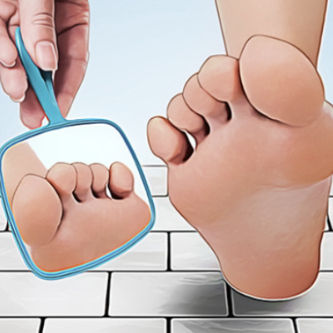
How often do you actually look at your feet? Probably not enough. Check for cracks, excessive dryness, changes in skin color, lesions, or small wounds and abrasions. Early detection can prevent issues from getting bad very quickly. This is especially important if you have diabetes, neuropathy (decreased sensation in the feet), or peripheral vascular disease (poor blood flow to the legs and feet).
Tip: If you can’t easily reach your feet, use a magnified or swivel makeup mirror placed on the floor to inspect the bottoms of your feet. You can typically find these at most retail stores or online.
2. Wash and Dry Your Feet Thoroughly
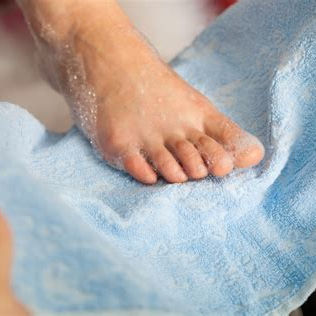
It sounds simple, but how often do we really scrub our feet and toenails? When washing, take precautions in the shower or bathtub since leaning over can place you at risk for a fall if you’re unsteady on your feet or have mobility problems.
After washing, dry all surfaces of your feet, including between the toes. If you have diabetes, excessive swelling in the legs or feet, or vascular disease, be gentle when cleaning between toes. If you have a known wound, please ensure you speak with your doctor or home health nurse to guide you on how to best manage your foot care needs.
Tip:
If reaching your feet is difficult, consider using a long-handled scrubbing brush.
Avoid aggressive spreading of the toes for cleansing or inspection or using rough towels, as this can cause skin tears, cuts, and fissures (long linear cracks in skin).
3. Moisturize Your Feet

When we think about lotion, we often focus on the face, arms, or legs—but your feet need some TLC (tender loving care) too! After showering, apply lotion to the tops and bottoms of your feet while the skin is still slightly moist. Do not apply lotion between the toes, as this can trap moisture and increase the risk of fungal infections like athlete’s foot.
Tip: Not applying lotion in between your toes is especially important if you have swelling to the lower extremities, diabetes, or are prone to fungal infections.
4. Toenail Care

Taking good care of your toenails is important for preventing pain, reducing infections, and improving the quality of life.
Many sources recommend trimming toenails straight across to prevent ingrown nails. While this advice is generally helpful, it’s best to follow the natural curve of the free nail edge without cutting too far down the sides. Trimming too aggressively can increase the risk of complications, unless you are qualified to do so. If your toenails are causing pain, it is imperative that you seek out a certified foot care nurse, podiatrist, or foot doctor, or see your primary care doctor to ensure you do not have an infection.
Tip: Avoid aggressive shaping and stick to gentle, conservative trimming. If you have diabetes or vascular disease, your toenail care should be completed by a podiatrist or nurse trained in foot care.
5. Never Go Barefoot
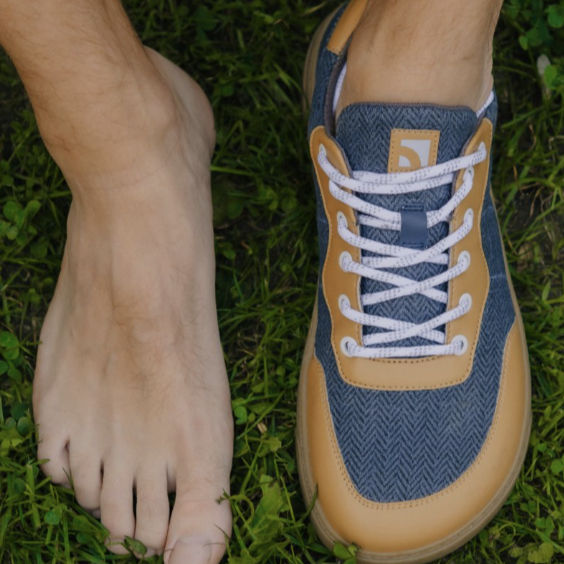
Protective footwear is essential for preventing accidental injuries, such as cuts, abrasions, and fractures. How many times have you stubbed your toe or bumped into a piece of furniture? Wearing shoes can help prevent these mishaps. A wide-toe box shoe like the one above can also help prevent for your by reducing callus and corn formation.
Tip: If you have diabetes or neuropathy, you should never go barefoot.
6. Wear Supportive Footwear

Comfortable, supportive shoes help protect your feet and reduce pain. Foot pain, especially plantar fasciitis, is a common issue as we age. Supportive shoes and appropriately fitted arch supports can help. Many local shoe stores can measure your feet and recommend footwear or orthotics that best fit your foot length, width, and shape.
Tips:
Choose shoes with a supportive base that’s not too slick or too grippy to help prevent falls.
If you have diabetes or neuropathy, inspect the inside of your shoes regularly for rocks or foreign objects. Sometimes nails or sharp items can penetrate the sole without you noticing, which can lead to infections and even limb loss.
Recap
Caring for your feet doesn’t have to be complicated, though it can often seem that way! By following the steps above, you can maintain healthy feet and prevent serious complications.

